

A sash kit is only as good as the frame it goes into
A customer wants new windows without tearing out trim. A sash kit can do that. It replaces the sash and the balance system and keeps the existing frame. If you need the basics, the windows page covers what a kit is and how it compares to full replacement.
This piece is about the step before the quote. A kit is built for a specific kind of opening. When the opening doesn't match, the kit doesn't fit, and the job stalls at the house.
Three checks settle most of it. Then the measurements have to be right.
Check 1: Is it a double hung?
Our kits are double hung replacement sash. The existing window has to be a double hung for the kit to go into that frame.
It sounds obvious. It's easy to miss when the customer says "the old windows" and nobody asks what kind. A single hung, a casement, or a slider is a different job. Ask for a photo of the window from inside before you quote. It answers this check and gives you a first look at the frame.
Check 2: Is the sill at 14°?
The jamb liners in the kit come with a 14° cut on the bottom. That's why the catalog lists a 14° sill as a requirement.
Don't take this one from a photo. Have someone put an angle finder or a bevel gauge on the sill. A sill that has settled or been patched over the years may not read what it used to.
A different bevel doesn't have to end the job. We've had jobs where the sill had another angle, and the installer trimmed the bevel on the jamb liners to match.
That's extra work at the house, though. Write the angle on the ticket and mention it when you quote. If you're not sure the liners can be trimmed to fit, check with your rep.
Check 3: Is the frame sound?
A kit goes into the existing frame. It doesn't repair it. The catalog is plain about this: no cracks and no wood rot that would call for repair or a whole new frame.
So look where water sits. Check the sill, the bottom of the jambs, and the joints. If a screwdriver goes into the wood easily, the frame needs work the kit won't do.
Bowed jambs are a different story. They don't rule out a kit on their own. The install guide notes that bowed jambs may need shimming behind the jamb liner clips. That's more time at the house, so mention it when you quote.
If the frame fails this check, a kit is the wrong product. That job is usually a full replacement.
How to measure for the kit
Barry Williams, our Window Division Manager, says measurements are the most common sash kit mistake he sees. Older openings often aren't square. That's why the catalog asks for three measurements in each direction, not one.
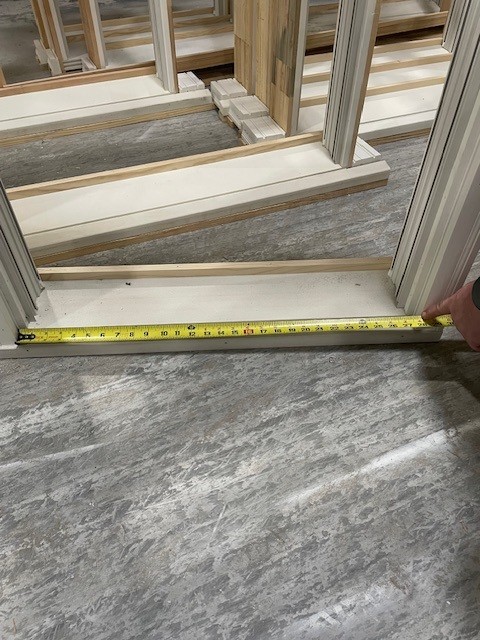
Width. Measure between the inside edges of the interior frame. Take it at the top, the middle, and the bottom.
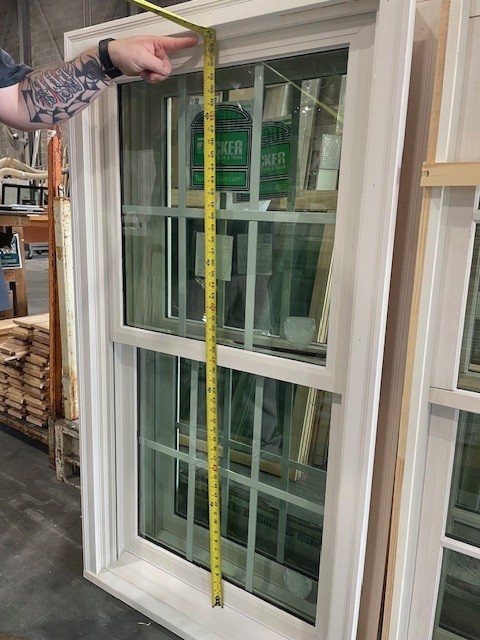
Height. Measure from the top of the parting bead down to where the bottom sash meets the sill. Take it at the left, the middle, and the right. Feeding the tape between the top and bottom sash gives the cleanest read.
Then order from the smallest width and the smallest height. Sizing to the tightest point is what lets the kit go in.
Write all six numbers on the ticket, not just the two you're ordering from. If something comes up later, the full set shows your rep what the opening looked like.
The two photos below come from our window shop. They show where the tape goes for each measurement.
What goes on the order
Once the opening qualifies, the rest is choices. Get these from the customer before you quote.
- Sash. Wood, or vinyl in white or beige.
- Glass. Clear, Low-E, argon, or tempered.
- Grilles. None, internal muntins, or SDL. SDL comes in 7/8" or 1-1/8". Internal muntin sizes and colors are on the sash kit page of the window catalog. If the customer is weighing SDL against internal grilles, our divided lite guide walks through the difference.
What comes in the box
Each kit ships with a top and bottom sash, one pair of retro jamb liners, eight mounting clips, one parting bead, and sixteen screws. Both sash tilt in for cleaning.
One thing isn't in the box: interior stop. The old stop comes off during install. If it comes off clean, it goes back on. If it splits, whoever is installing needs new stop on hand. Ask about it at the counter so it isn't a second trip.
One tip to pass along to the installer
The other mistake Barry sees happens at the house. Someone takes a sash out while it's at the bottom of the window, with the spring pulled all the way down.
Bring the sash to the middle of the window first, then take it out. The install steps in the catalog start the same way.
When a kit isn't the answer
A kit works well when the frame is sound and the customer wants to keep their trim. It isn't the right call when the window isn't a double hung or the frame has rot.
That's not a lost sale. It's a different product. The windows page compares the job types side by side, so you can steer the customer to the one that fits.
If an opening doesn't clearly pass or fail, send your rep the six measurements and a photo. They can tell you which way to go before you quote.
Quote it in the Design Portal, or call and talk it through with someone who has built it before.
Get Design Portal accessEducational Content & AI Disclosure
This article is provided for general education and information, not advice tailored to your situation. We may use AI tools to help create content. Information may contain errors or become outdated. Verify details, use your own judgment, and consult a qualified professional when needed. You are responsible for your decisions and how you apply this information. Examples and past results do not guarantee similar outcomes.